Rice is a staple in almost every Singaporean home. We buy it without thinking, scoop it without checking, and rely on it for countless meals each week. But as familiar as rice is, storing it properly is something many of us overlook — until we find bugs, clumping or a strange smell coming from the container.
That’s when the questions begin: What happened? And more importantly, how do we prevent it?
Storing rice might seem straightforward, but a few small habits make a big difference in keeping it fresh and safe to eat. Rice is sensitive to humidity, heat and odours, all of which are common in Singapore kitchens. When exposed to the wrong conditions, rice can develop three main problems:
Once you open a bag of rice, how you store it plays a big role in keeping it fresh and free from unwanted surprises. Here are some simple, dependable habits that work well in Singapore’s warm and humid climate.
1. Refrigeration
Keeping rice in the fridge significantly extends its shelf life. Cooler temperatures slow down oxidation, prevent natural oils (especially in brown rice) from turning rancid, and reduce the chance of rice weevils developing.
This is also how we store our rice at Tong Seng Produce — in a chilled warehouse environment to maintain quality and freshness before it reaches your home.
If your household takes longer to finish a bag of rice, refrigeration is one of the most effective ways to keep it fresh and protected.
2. Or Store Rice in a Cool, Dry Place
If fridge space is limited, store rice in the coolest, driest part of your kitchen. Avoid areas near stoves, kettles, dish racks or direct sunlight, as heat and steam introduce moisture — the main trigger for spoilage, clumping and pests.
A stable, low-humidity spot helps maintain rice aroma and quality, especially once the pack is opened.
3. Use an Airtight Container
Rice stays freshest when stored in airtight containers. Good options include:
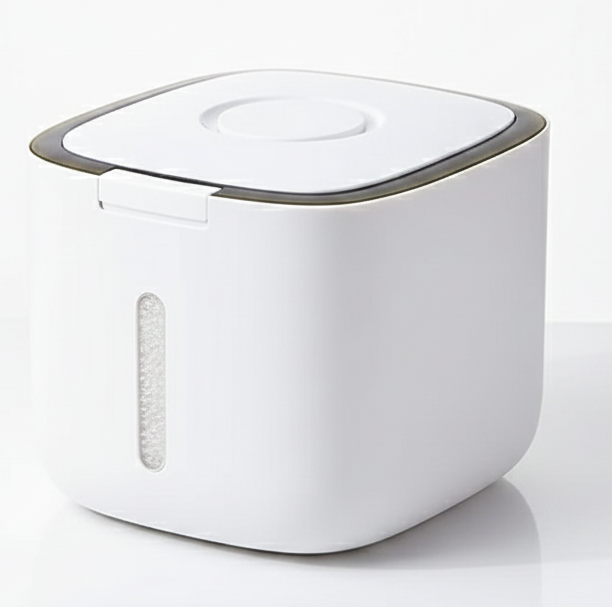
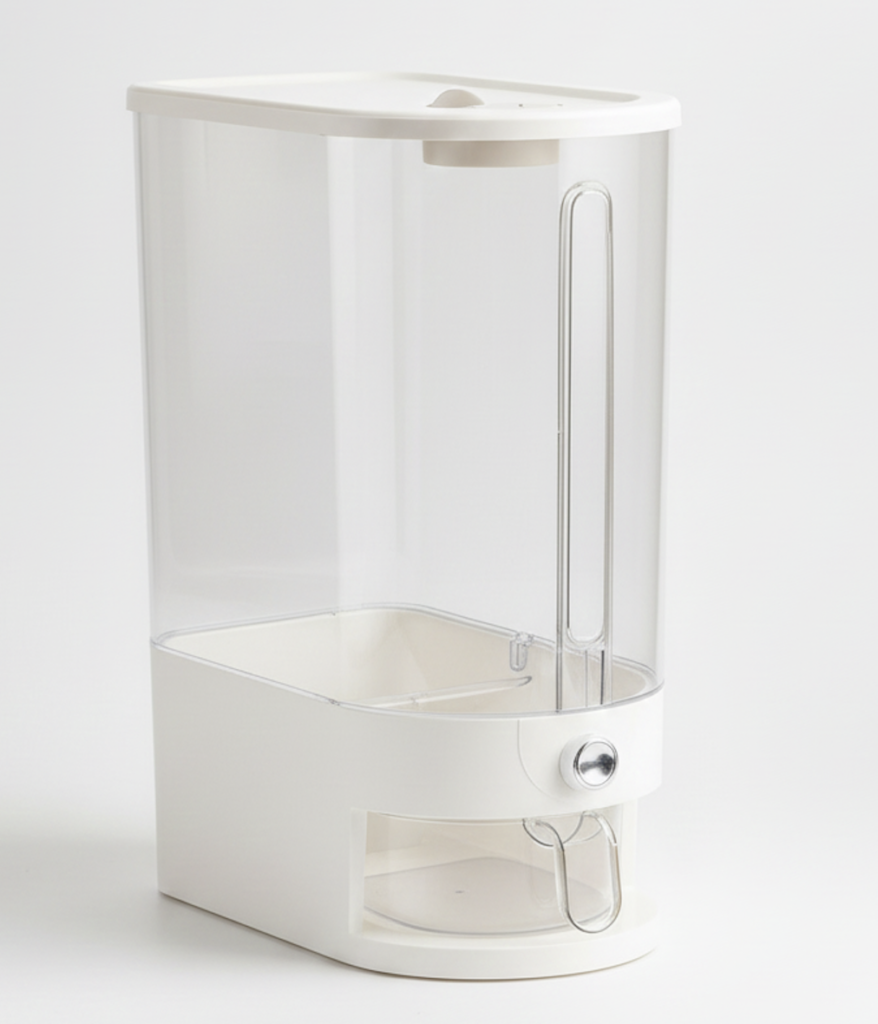
Avoid leaving rice in its opened plastic bag or loose packaging. Humidity and air can enter easily, increasing the risk of bugs and spoilage.
Most common rice types like Jasmine, Basmati and Japanese short-grain can stay fresh for up to two years when stored well. Brown rice, however, contains natural oils in its bran layer that can turn rancid much faster in warm weather.
If you consume brown rice slowly, store it in the fridge and purchase smaller quantities to maintain its natural aroma and freshness.
Rice tastes best when fresh. The Singapore Food Agency recommends that if your household cooks less frequently, choose smaller pack sizes that can be finished within a month. This reduces humidity exposure and helps prevent bugs, spoilage and unnecessary waste.
Every grain takes effort to grow, from the fields to the mill and finally into our homes. Storing it well simply means building a few easy habits into everyday life, and these small choices quietly help us avoid waste while caring for the food we rely on.
